
When Should You Replace Classifier Rotor?
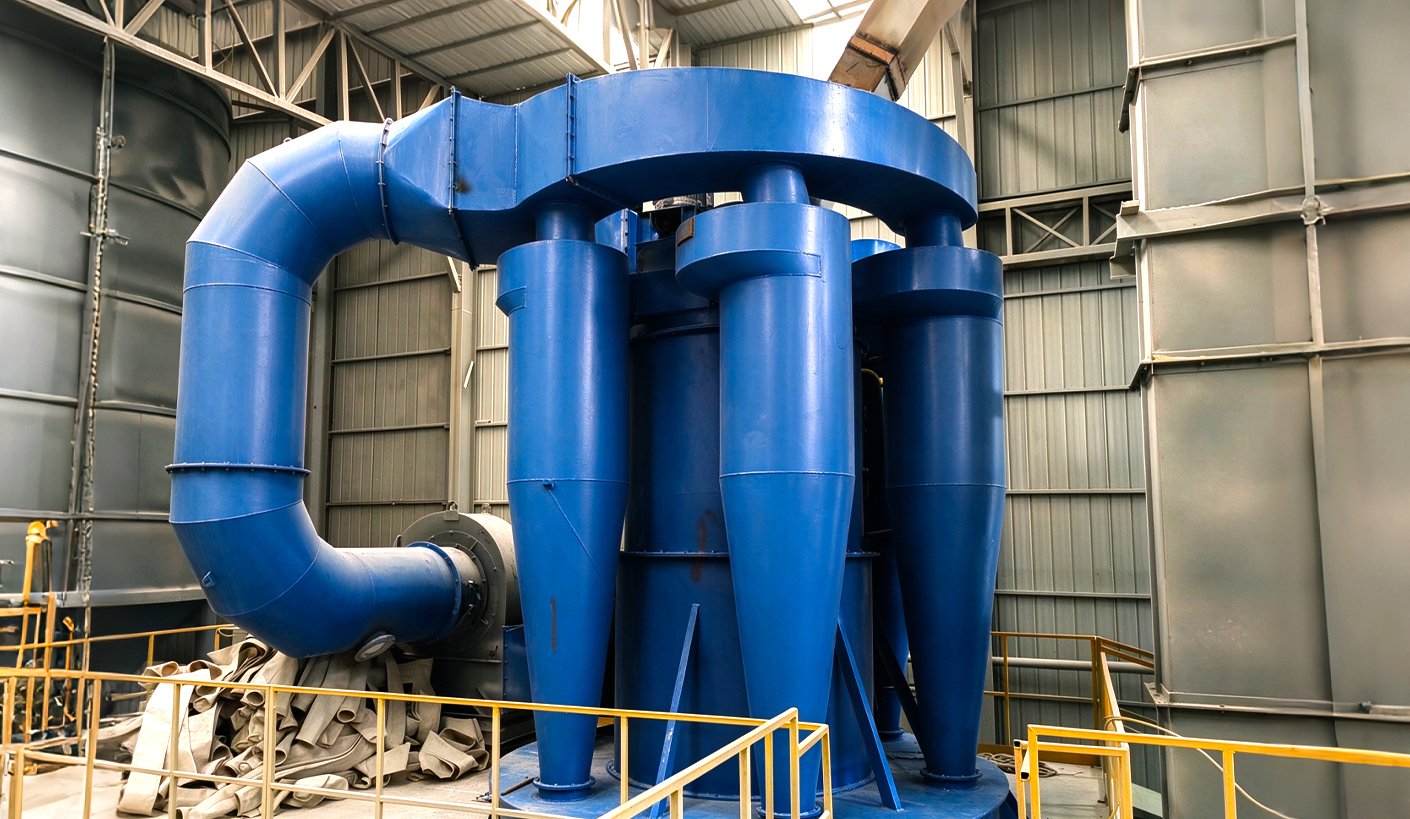
The classifier rotor is the core rotating component that determines powder classification accuracy, particle size distribution and system throughput. Many operators delay replacement until catastrophic failure, which triggers unplanned shutdowns, higher power consumption and inconsistent finished powder quality. Knowing the right time to replace it helps you maintain stable production and cut extra operating costs.
First, check particle size performance. If you have adjusted rotor speed, airflow and feed rate within the normal range, yet the finished powder still fails to meet target fineness, the rotor blades are likely worn. Worn blades lose their original aerodynamic profile, weakening centrifugal separation and allowing coarse particles to mix into fine products. This is the most common signal for rotor replacement.


Second, monitor vibration and noise. Persistent abnormal vibration and loud rumbling sound after dynamic balancing usually mean uneven blade wear, bending or cracks on the rotor hub. Continuous unbalanced operation will rapidly damage bearings, shafts and seals, and may even cause safety risks. Once vibration cannot be corrected by balancing, stop production and arrange replacement.
Third, carry out regular visual and dimensional inspection. Measure blade thickness during scheduled shutdowns. When blade wear reaches 20% to 30% of the original thickness, replacement is recommended. Visible cracks, chipping, severe pitting or permanent deformation of blades or rotor hub require immediate replacement, regardless of running hours.
Service life varies greatly based on material abrasiveness. Hard, abrasive powders such as quartz sand wear rotors much faster than soft limestone. Do not rely only on fixed running hours as the standard. Combine inspection data, particle test reports and vibration records to make the final decision. Timely rotor replacement keeps your powder classifier running at designed efficiency and avoids expensive secondary damage to the whole grinding circuit.